Kicking off with the unrelenting terror of the most effective horror film iceberg, this fascinating story delves into the darkish depths of worry, the place the road between actuality and nightmare is expertly blurred. From the eerie landscapes of the frozen tundra to the eerie atmospheres of basic horror, we’ll embark on an exciting journey to discover the psyche of the human thoughts and the unseen terrors that lurk inside.
One of the best horror film iceberg is greater than only a metaphor; it is a illustration of the unknown, a frozen monument to the darkness that lies beneath the floor of human consciousness. Like an iceberg, probably the most chilling horror films usually cover their true depth beneath a seemingly innocuous façade, ready to unleash a tidal wave of worry that may depart you gasping for breath.
Delving into the Darkish Depths of the Iceberg
The idea of the iceberg has been a staple in horror films for many years, serving as a metaphor for the unseen threats that lurk beneath the floor. This trope has been employed by quite a few filmmakers to convey themes of hidden hazard and unpredictability, leaving audiences on the sting of their seats.
Early Twentieth-Century Horror Motion pictures: Laying the Groundwork
The evolution of horror films is inextricably linked to the idea of the iceberg. Within the early Twentieth century, pioneers within the horror style started to make use of the metaphor of the iceberg to convey themes of hidden hazard and unpredictability. The French filmmaker Georges Méliès, who is usually credited with creating the primary horror film, “Le Manoir du Diable” (1896), used the idea of the iceberg to create a way of foreboding and unease.
The Affect of German Expressionism
German Expressionist cinema, notably below the route of F.W. Murnau, had a profound affect on the event of horror films. Murnau’s movies, similar to “Nosferatu” (1922) and “Faust” (1926), usually employed the metaphor of the iceberg to convey themes of the supernatural and the unknown. The usage of distorted units and placing visuals added to the sense of unease and uncertainty.
The Rise of Hollywood Horror
The Nineteen Thirties noticed a shift within the horror style, with Hollywood filmmakers similar to James Whale and Common producing iconic horror films that drew upon the metaphor of the iceberg. Whale’s “Frankenstein” (1931) and “The Previous Darkish Home” (1932) are exemplary of this pattern, that includes remoted areas and hidden risks that threatened the protagonists.
- Whale’s use of setting helped to create a way of unease and foreboding, usually using lengthy stretches of remoted roadways and abandoned landscapes.
- The “Previous Darkish Home” contains a creepy previous mansion, the place a bunch of vacationers change into trapped and should deal with a solid of eccentric and terrifying characters.
The Affect of Psychoanalysis on Horror Motion pictures, Greatest horror film iceberg
The introduction of psychoanalysis within the Sixties had a profound affect on the horror style. Filmmakers similar to Alfred Hitchcock and Roman Polanski employed the metaphor of the iceberg to discover themes of the unconscious thoughts and repressed needs. Hitchcock’s “Psycho” (1960) is a landmark instance of this pattern, that includes a serial killer who operates from a hidden location, mirroring the idea of the iceberg.
Fashionable Interpretations of the Iceberg Metaphor
Fashionable horror films proceed to attract upon the metaphor of the iceberg, usually using it to convey themes of hidden hazard and unpredictability. The Nineteen Seventies and Eighties noticed a resurgence of curiosity within the style, with administrators similar to Wes Craven and John Carpenter pushing the boundaries of the horror film. Their movies usually employed the metaphor of the iceberg to create a way of unease and uncertainty.
A well-crafted horror film can depart viewers frozen, very like the tip of an iceberg – submerged however imposing. For those who’re within the temper for some spine-tingling leisure, I might advocate testing Kym Whitley films and television exhibits here for some lighter fare, however for those who’re searching for an actual scare, look no additional than the cinematic masterpieces that lurk beneath the floor of the horror style.
- Craven’s “A Nightmare on Elm Road” (1984) contains a supernatural killer who manipulates his victims’ goals, mirroring the idea of the iceberg.
- Carpenter’s “Within the Mouth of Insanity” (1995) employs the metaphor of the iceberg to convey themes of hidden hazard and the facility of the inventive unconscious.
In conclusion, the idea of the iceberg has performed a pivotal position within the evolution of horror films, serving as a metaphor for hidden hazard and unpredictability. From the early Twentieth-century pioneers to fashionable interpretations, the metaphor of the iceberg continues to captivate audiences and encourage filmmakers.
The Unseen Terrors of the Iceberg
Our fascination with horror films stems from a primal urge to confront and perceive the unknown. One of the vital fascinating metaphors for this idea is the iceberg. Within the context of horror films, the iceberg represents the unseen terrors that lurk beneath the floor of human consciousness, ready to be uncovered.
The Darkish Attraction of Worry
The attract of horror films lies of their skill to faucet into our deepest fears. By exploring the psychological motivations behind our fascination with worry, we will acquire perception into the human psyche. Analysis means that our brains are wired to answer threats, triggering a physiological response that prepares our physique for battle or flight. This pure response is linked to the discharge of adrenaline, a hormone that stimulates our senses and prepares us for motion.
As you navigate the treacherous waters of cinema, an analogy could be drawn between the most effective horror film iceberg and the bustling Coventry city centre scene: simply because the viewers is oblivious to the phobia lurking beneath the floor in a horror movie, cinema fans is likely to be stunned by the plethora of film choices accessible in Coventry city centre this year , from basic flicks to adrenaline-pumping blockbusters.
This phenomenon is a testomony to the unpredictable nature of the cinematic expertise, and it is no marvel the most effective horror film iceberg continues to fascinate audiences.
Horror films exploit this response, utilizing suspense and fear-inducing imagery to create an exciting expertise that retains viewers on the sting of their seats.
The Iceberg as a Image of the Unknown
The iceberg’s skill to cover its true kind beneath the floor of the water serves as a robust metaphor for the unknown. In horror films, the iceberg represents the unseen terrors that lurk beneath the floor of human nature, ready to be uncovered. This idea is exemplified in movies similar to “The Shining” and “The Exorcist,” the place the supernatural occasions that unfold are mirrored by the darkish secrets and techniques and fears that lurk throughout the characters.
The elusive idea of the most effective horror film iceberg is a subject that fascinates movie fans, who usually look to the cinematic panorama of cities like Weslaco, the place a wealthy historical past of cinema has cultivated a tradition of movie appreciation, take a look at cine en weslaco for a deeper dive, however the horror style stays a thriller, a frozen, unexplored mass that lurks beneath the floor of widespread tradition.
Worry as a Reflection of Human Nature
The iceberg metaphor highlights the concept our fears are a mirrored image of our personal darkish nature. By exploring the depths of human psychology, horror films reveal the darker features of our personal psyche. As an illustration, the character of Norman Bates in “Psycho” is a basic instance of how horror films can create a way of unease by exploiting our personal fears of the unknown.
The movie’s portrayal of Norman’s break up persona serves as a mirrored image of the fragility of human sanity, highlighting the darkness that may lurk inside even probably the most seemingly strange people.
Unlocking the Depths of Human Consciousness
The iceberg metaphor serves as a robust reminder that our true nature is advanced and multifaceted. By exploring the unseen terrors that lurk beneath the floor, horror films provide a glimpse into the human psyche, revealing the depths of our personal darkness. This self-discovery is a central theme in lots of horror films, the place characters are compelled to confront their very own fears and demons with a view to survive.
The expertise of watching horror films serves as a metaphorical journey into the unknown, permitting us to confront and perceive our personal fears in a managed atmosphere.
Frozen in Worry

Horror films usually use metaphors to convey the sense of unease and worry that pervades their narratives. The iceberg metaphor, particularly, has been employed by a number of filmmakers to create rigidity and suspense of their tales. On this section, we are going to examine and distinction using the iceberg metaphor in no less than three completely different horror films.
Film Comparability Desk
The next desk offers a comparability of how three completely different horror films use the iceberg metaphor to create rigidity and suspense.
| Primary Plot | Iceberg Metaphor Utilization | |
|---|---|---|
| The Factor (1982) | A bunch of scientists in Antarctica uncover an alien creature that may imitate different residing beings. | The alien creature, very like an iceberg, is hidden beneath the floor, solely to emerge and wreak havoc on the unsuspecting group. |
| The Shallows (2016) | A surfer is trapped by a terrific white shark and should discover a method to escape. | The shark, an unseen power beneath the floor, is an iceberg-like entity that threatens to devour the protagonist at any second. |
| The Gray (2011) | A bunch of oil rig employees survive a airplane crash within the Arctic wilderness, however should navigate the unforgiving atmosphere to succeed in security. | The tough atmosphere, very like an iceberg, is a silent killer that imperils the group, threatening to devour them at any second. |
Suspense Creation By way of the Iceberg Metaphor
Every of those films makes use of the iceberg metaphor to create rigidity and suspense in distinctive methods. The Factor makes use of the iceberg as a logo of the unknown, emphasizing the concept the monster is hidden beneath the floor, ready to strike. The Shallows, alternatively, employs the iceberg metaphor to convey the concept hazard can lurk beneath the floor, even in seemingly calm waters.
The Gray, in the meantime, makes use of the iceberg metaphor to emphasise the lethal nature of the Arctic atmosphere, the place one misstep can result in disaster.
Chilling Results: Greatest Horror Film Iceberg
The iceberg metaphor has been a staple of horror films for many years, serving as a chilling reminder of the upcoming doom that lurks beneath the floor. On this part, we’ll delve into the assorted methods filmmakers use the iceberg metaphor to create a way of impending doom, exploring its symbolic that means and real-world functions.
The Iceberg as a Illustration of Catastrophic Occasions
The iceberg metaphor is usually used to signify a catastrophic occasion or catastrophe that’s ready to unfold. This may manifest in varied kinds, similar to a shipwreck, a tsunami, or perhaps a world pandemic. When used successfully, the iceberg metaphor creates a way of foreboding and dread, signaling to the viewers that one thing catastrophic is about to happen. This tactic is especially helpful in horror films, the place the unknown is usually extra terrifying than the identified.One notable instance is the 1958 movie “The Factor from One other World,” directed by Christian Nyby.
On this sci-fi horror basic, an alien spacecraft is buried beneath the ice, threatening to unleash a malevolent power upon the world. The iceberg serves as a potent metaphor for the unknown risks that lurk beneath the floor, echoing the fears of atomic annihilation that had been prevalent on the time.
The Iceberg as a Image of the Unseen
The iceberg metaphor may also be used to signify the unseen or the unknowable, creating a way of unease and uncertainty within the viewers. This tactic is especially efficient in horror films, the place the unknown could be extra terrifying than any precise monster or villain. By utilizing the iceberg as a logo of the unseen, filmmakers can create a way of thriller and suspense, drawing the viewers into the world of the story.A main instance of that is the 1977 movie “The Shining,” directed by Stanley Kubrick.
On this adaptation of Stephen King’s novel, the Overlook Lodge serves as a labyrinthine monument to the unseen forces that form humanity’s psyche. The iceberg metaphor is implicit within the movie’s use of isolation and claustrophobia, creating a way of unease and dread that pervades all the narrative.
The Psychological Affect of the Iceberg Metaphor
The iceberg metaphor can even have a profound psychological affect on the viewers, creating a way of disorientation and disconnection. By utilizing the iceberg as a logo of the unseen or the unknowable, filmmakers can create a way of unease and uncertainty that lingers lengthy after the credit roll. This tactic is especially efficient in horror films, the place the psychological affect of the narrative could be simply as terrifying as any precise monster or villain.Within the 1991 movie “The Fisher King,” directed by Terry Gilliam, the iceberg metaphor is used to signify the unseen forces that form the protagonist’s psyche.
The movie’s use of symbolism and metaphor creates a way of unease and uncertainty, echoing the traumas of the protagonist’s previous and threatening to overwhelm him at each flip.
Epilogue
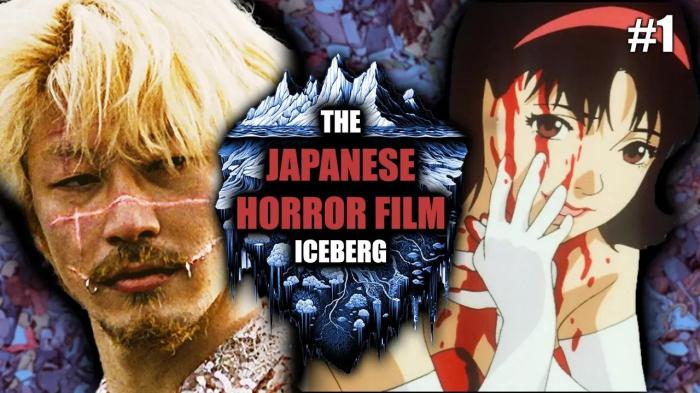
In conclusion, the most effective horror film iceberg is a captivating and terrifying idea that has captivated audiences for generations. As we have explored the frozen depths of worry, we have found that the iceberg metaphor is greater than only a intelligent machine – it is a highly effective software for creating rigidity, suspense, and a way of impending doom. Whether or not you are a seasoned horror fan or simply trying to dip your toes into the style, the most effective horror film iceberg is a journey you will not wish to miss.
Ceaselessly Requested Questions
Q: What’s the greatest horror film iceberg?
A: One of the best horror film iceberg is a metaphor that makes use of the idea of icebergs to convey the concept there’s usually extra to worry than what’s seen on the floor.
Q: What are some examples of horror films that use the iceberg metaphor?
A: Some basic examples of horror films that use the iceberg metaphor embrace movies like “The Factor” and “The Shining,” which use the icy landscapes and eerie atmospheres to create a way of foreboding and dread.
Q: How does the iceberg metaphor create worry in horror films?
A: The iceberg metaphor creates worry in horror films by representing the unknown, unseen terrors that lurk beneath the floor of human consciousness. This may be achieved by means of using creepy settings, unsettling characters, and a way of impending doom.
Q: Are you able to advocate some horror films which can be impressed by the iceberg metaphor?
A: Sure, some nice horror films which can be impressed by the iceberg metaphor embrace “The Status,” “The Witch,” and “It Follows.” These movies use the iceberg metaphor to create a way of rigidity, suspense, and unpredictability.
Q: What is the significance of the iceberg metaphor in horror films?
A: The iceberg metaphor in horror films is critical as a result of it represents the concept there’s usually extra to worry than what’s seen on the floor. This may be achieved by means of using refined hints, eerie atmospheres, and a way of impending doom.
